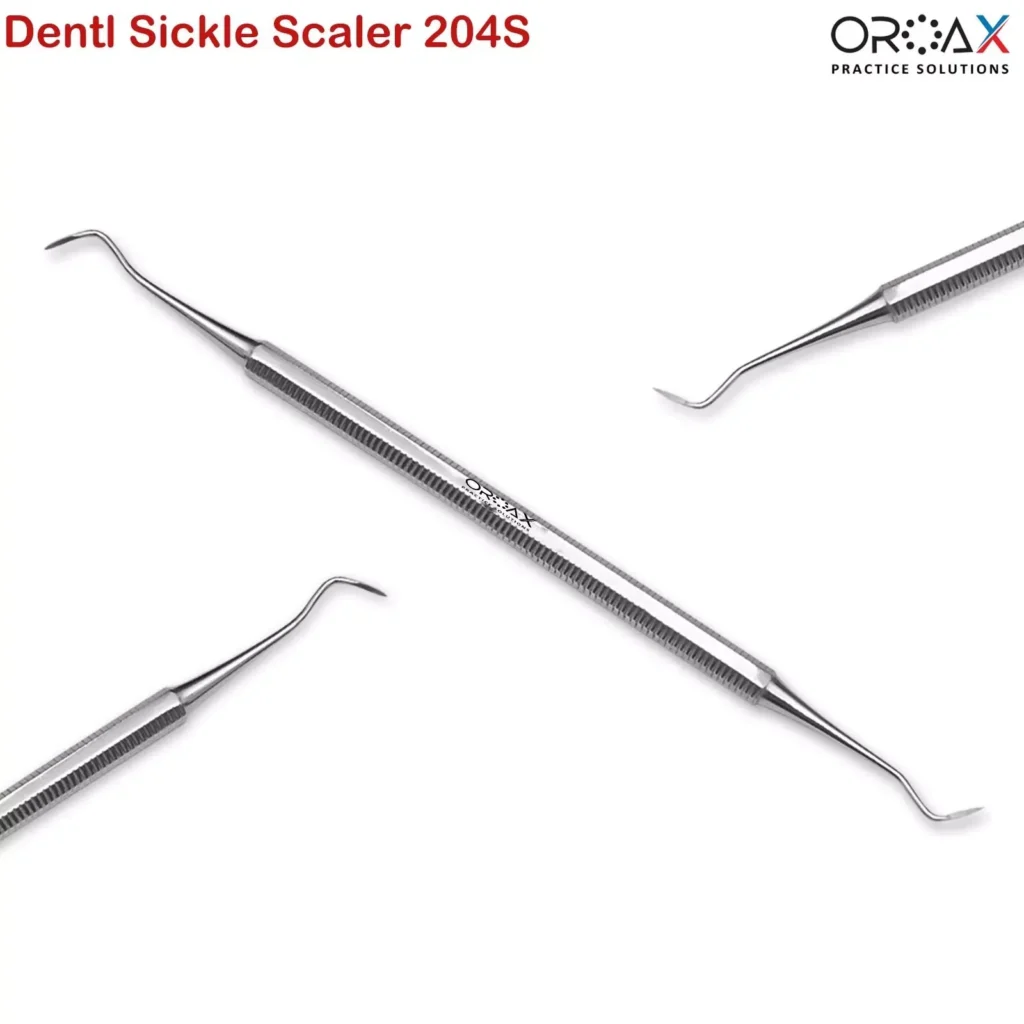
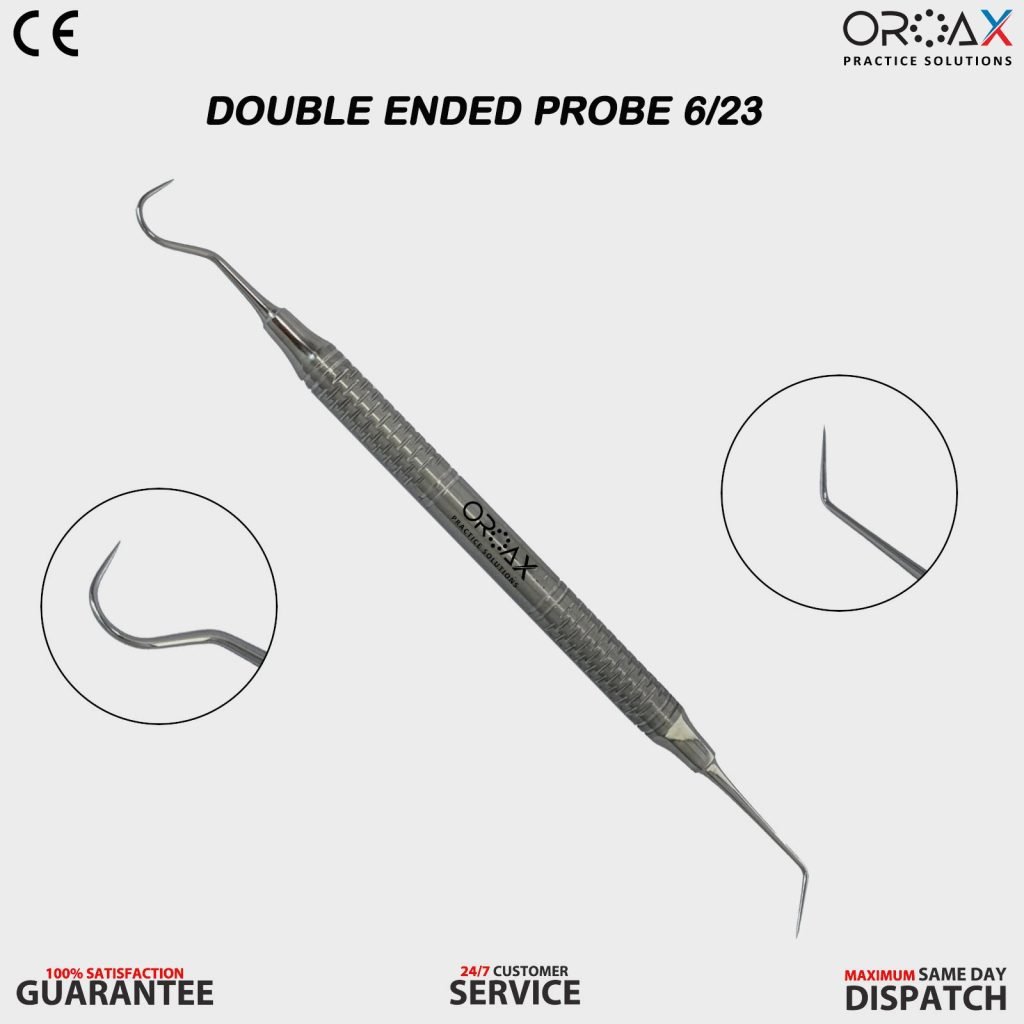
Diagnostic instruments are essential dental examination tools designed for detecting caries, evaluating oral health conditions, identifying calculus deposits, and performing comprehensive oral assessments. General dentists, dental hygienists, and dental students rely on these precision instruments for accurate disease detection, patient charting, and early intervention during routine dental examinations.
From initial visual inspection through tactile exploration and basic debridement, diagnostic instruments provide the foundation for every comprehensive oral health evaluation. OROAX offers diagnostic instruments including dental probes, explorers, and scalers, all crafted from medical-grade stainless steel that meets international quality standards for reliable clinical performance during oral examinations and prophylaxis procedures.
Clinical Applications
Diagnostic instruments serve critical functions across routine dental examinations:
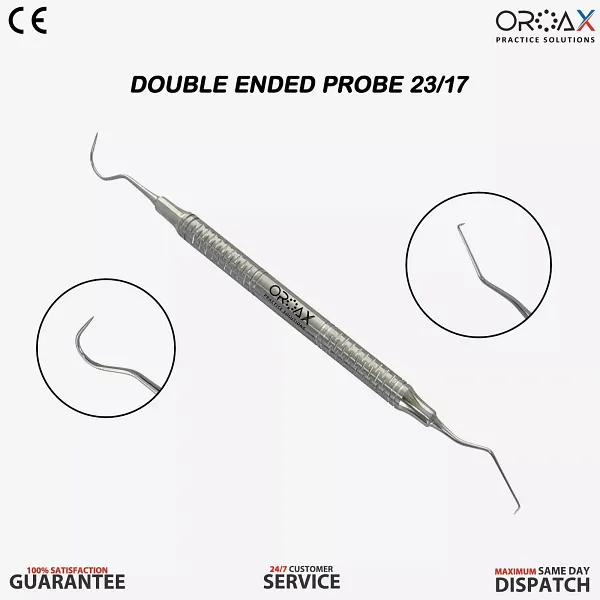
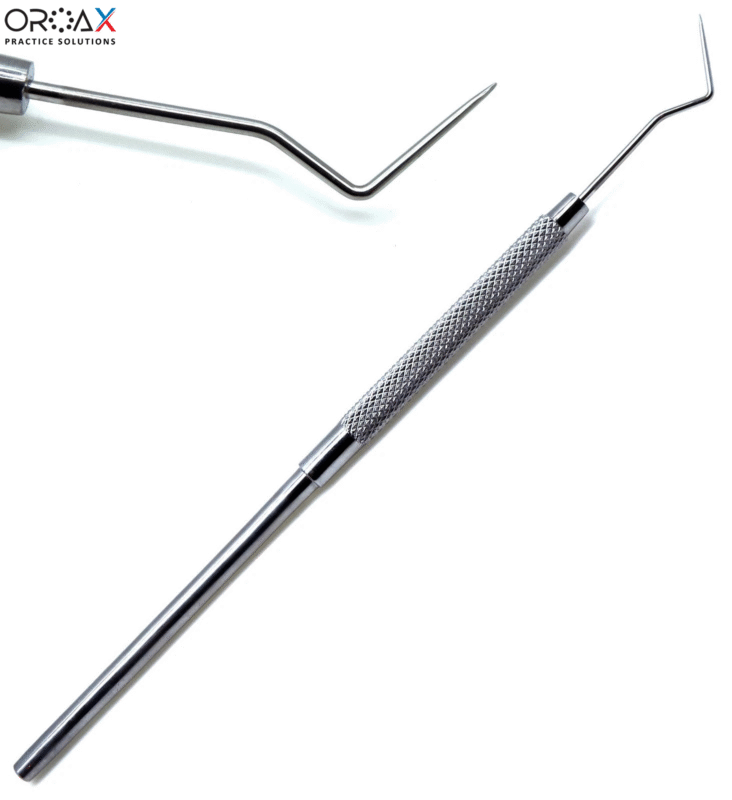
- Caries Detection: Dental explorers with sharp, fine tips detect early carious lesions, enamel defects, and tooth surface irregularities during visual and tactile examinations.
- Calculus Identification: Probe and explorer tips slide along tooth surfaces to locate supragingival and subgingival calculus deposits that require removal during prophylaxis appointments.
- Restoration Evaluation: Explorers assess restoration margins, detect overhangs, and identify defective restorations that may require replacement or repair during comprehensive examinations.
- Oral Screening: Diagnostic probes evaluate soft tissue health, detect oral lesions, and assess tissue consistency during cancer screenings and routine oral examinations.
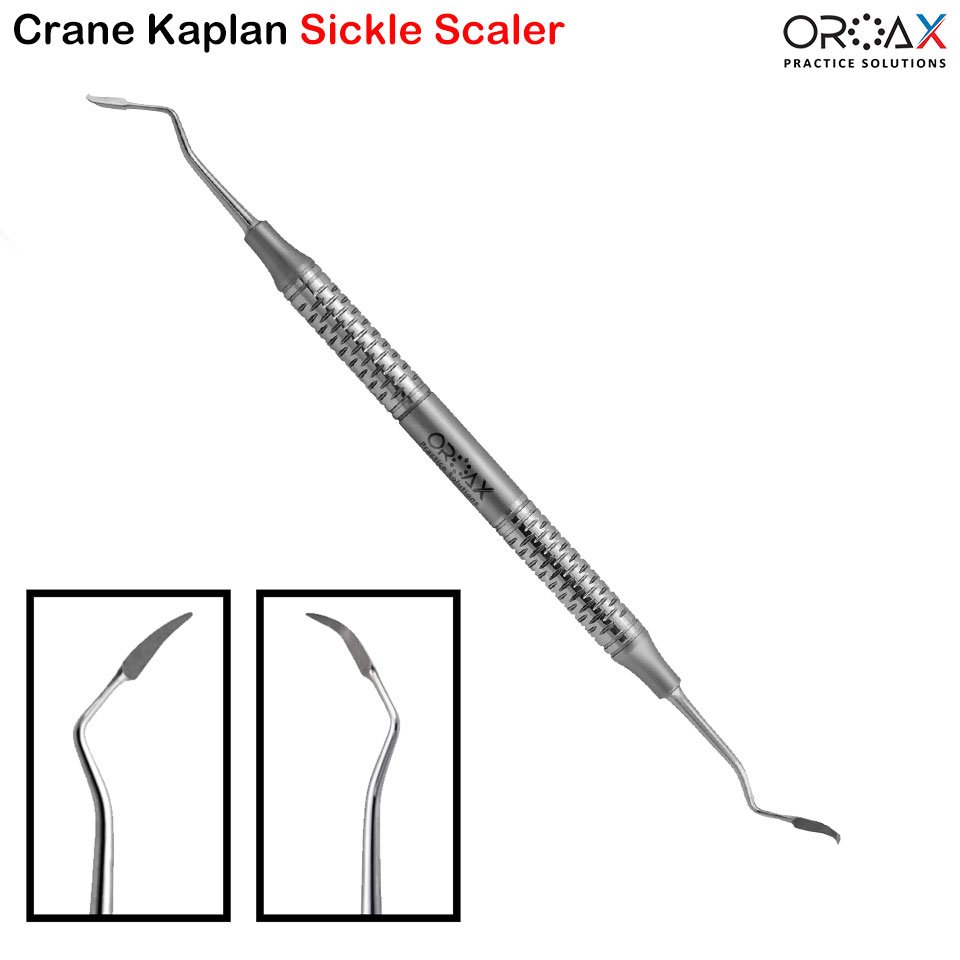
- Plaque Removal: Scalers remove light supragingival plaque and calculus deposits during prophylaxis procedures and routine cleaning appointments.
- Patient Education: Tactile feedback from explorers helps demonstrate problem areas to patients, improving understanding and treatment acceptance during examination discussions.
Features & Quality Standards
OROAX diagnostic instruments deliver consistent examination accuracy:
- Quality Standards: Meets international quality standards for dental examination instruments
- Sharp Working Tips: Precision-ground explorer points and probe tips provide excellent tactile sensitivity for detecting early carious lesions and calculus deposits
- Multiple Designs: Probe 9, Explorer 17/23, Explorer 6/23, Crane Kaplan, and 204S sickle scaler patterns provide comprehensive diagnostic and cleaning coverage
- Ergonomic Handles: Balanced, comfortable handle designs reduce hand fatigue during full-mouth examinations with multiple patients
- Material: Medical-grade stainless steel construction ensures corrosion resistance and maintains working tip precision through repeated sterilization cycles
- Fully Autoclavable: Withstands repeated sterilization at 121-134°C without tip degradation or structural compromise
Explore Diagnostic Instruments
Within the OROAX Diagnostic Instruments collection, explore Probes for dual-purpose examination and calculus detection tools, Explorers featuring sharp-tipped instruments for caries identification and restoration evaluation, and Scalers offering sickle and Crane Kaplan designs for basic supragingival plaque and calculus removal during prophylaxis procedures.
Proper Care & Sterilization
- Wipe working tips immediately after use to prevent debris from hardening on instrument surfaces
- Clean with enzymatic solutions and process through ultrasonic cleaning before autoclaving
- Autoclave at 121-134°C following standard sterilization protocols
- Inspect explorer and probe tips before each use and remove any instruments with bent or broken working ends
- Store in organized instrument cassettes with tips protected from contact damage
- Replace explorers when tips become excessively dull or damaged beyond safe clinical use
Frequently Asked Questions
What is the difference between a probe and an explorer?
Probes measure tissues gently; explorers detect caries and calculus using sharp tips.
Can dental explorers damage healthy enamel?
Used gently and correctly, explorers do not damage healthy enamel surfaces.
Are these diagnostic instruments suitable for dental students?
Yes, OROAX instruments support students learning caries detection and oral assessment skills.
Can these instruments be autoclaved?
Yes, OROAX instruments withstand autoclaving at 121–134°C without losing integrity.
How often should explorer tips be replaced?
Replace explorers when tips dull, bend, break, or lose tactile sensitivity.