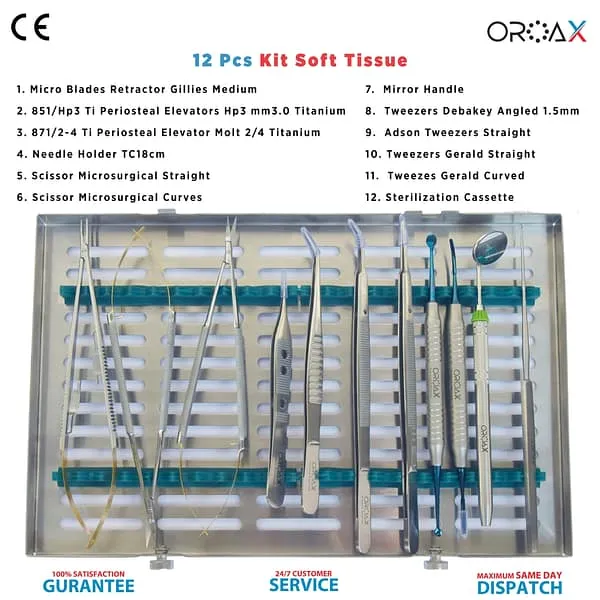
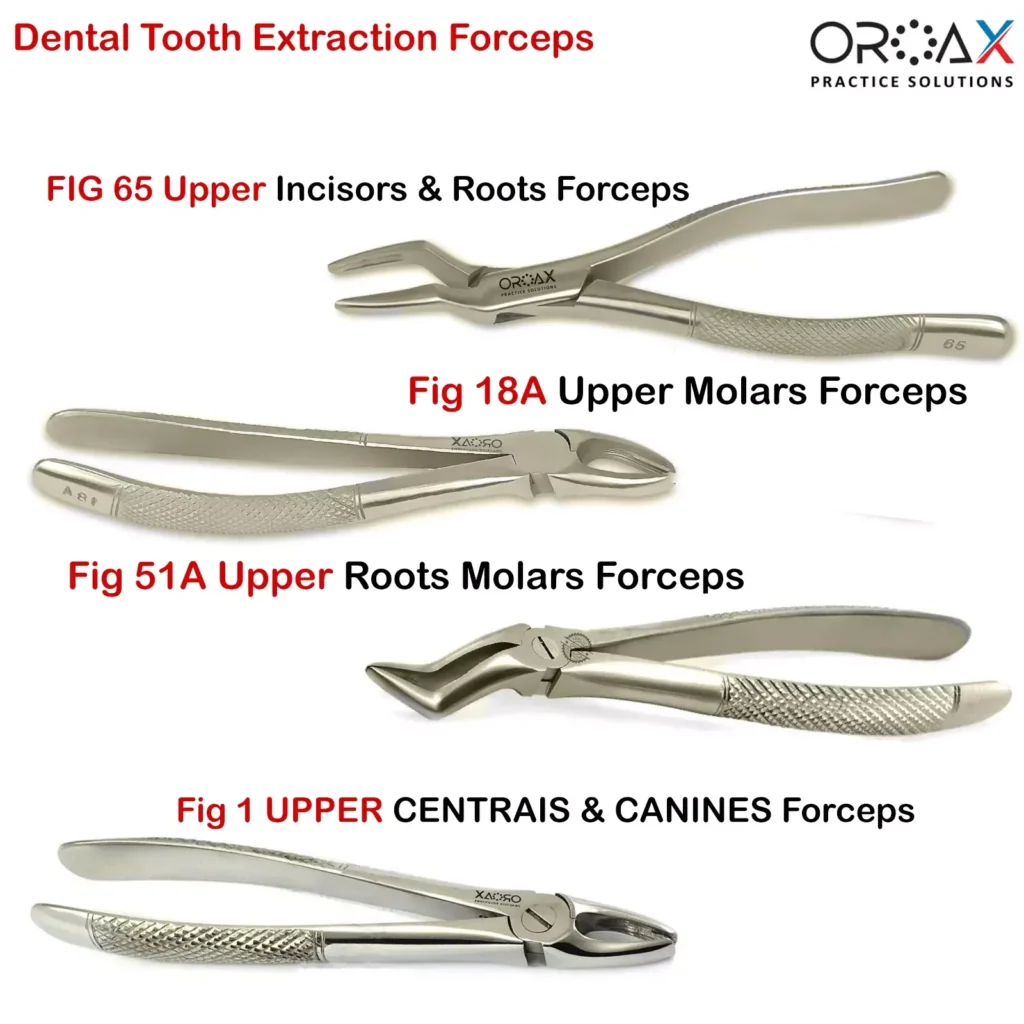
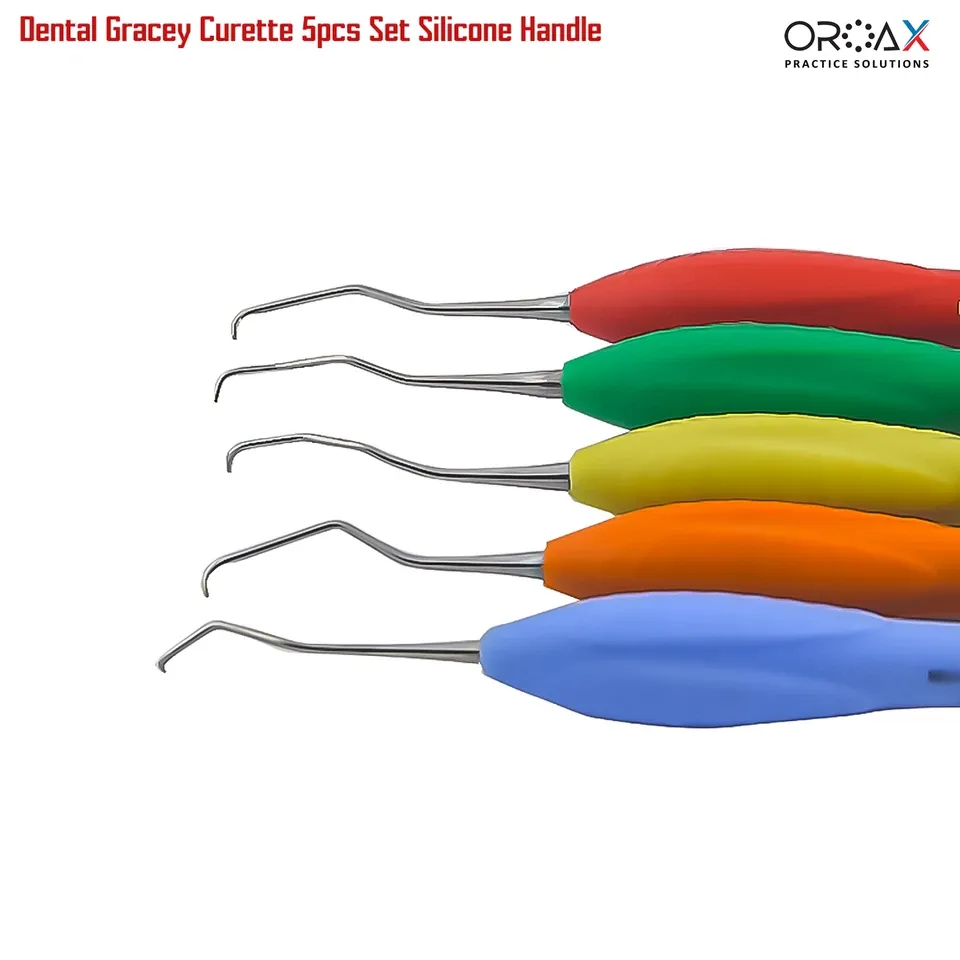
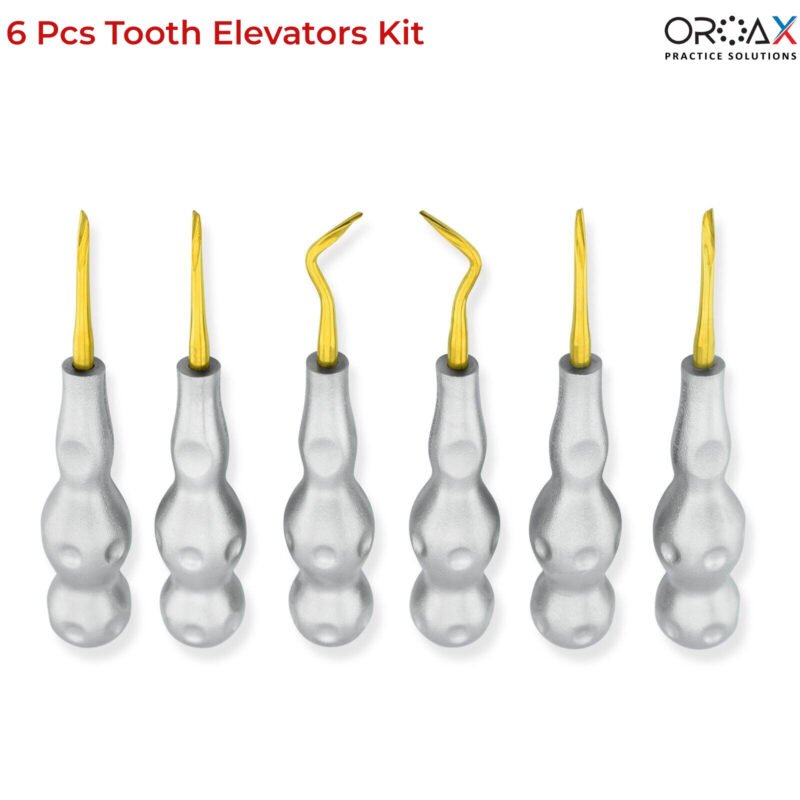
Surgical instruments are specialized tools designed for performing specific actions during a surgical procedure, such as cutting, dissecting, grasping, holding, retracting, or suturing. They are made from high-quality stainless steel, titanium, or other durable materials to ensure they are strong, resistant to corrosion, and can withstand repeated sterilization.
Key Features of Surgical Instruments:
- Material: Most surgical instruments are made from stainless steel, which is strong, durable, and resistant to rust and corrosion.Surgeons also use titanium for its lightweight and non-magnetic properties.
- Precision: Engineers meticulously design surgical instruments to provide precision and control. Sharpness, balance, and ergonomics are crucial features that ensure the surgeon can perform delicate procedures with accuracy.
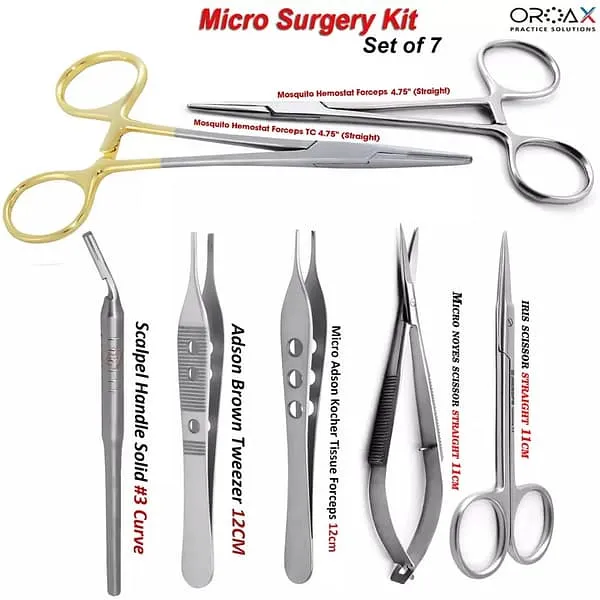
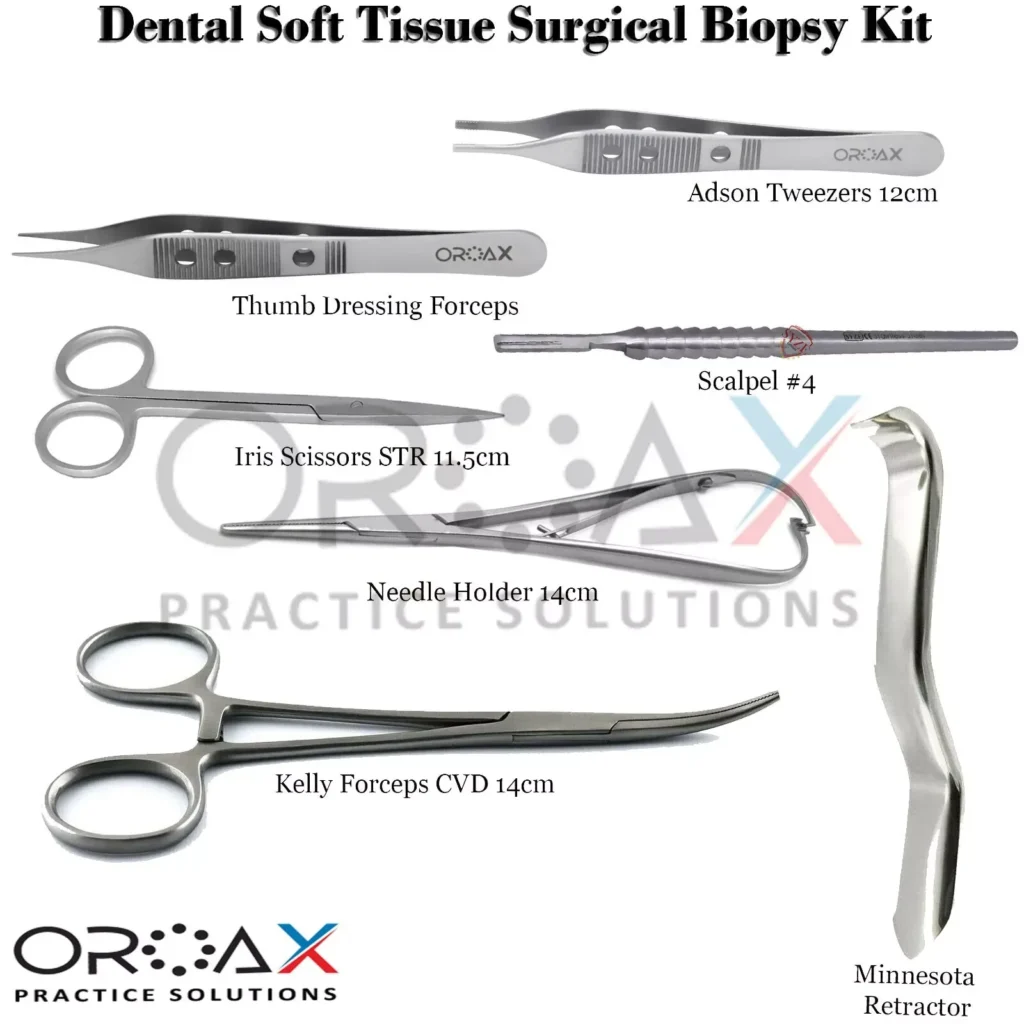
- Variety: There is a vast array of surgical instruments, each with a specific purpose. Common categories include cutting instruments (scalpels, scissors), grasping or holding instruments (forceps, clamps), retracting instruments (retractors), and suturing instruments (needle holders, sutures).
- Ergonomics: Designers ensure instruments fit comfortably in the surgeon’s hand, reducing fatigue and enabling precise movements during lengthy procedures. They often texture handles to prevent slipping.
- Sterilization: Surgical instruments must be easy to clean and sterilize to prevent infections.
Uses of Surgical Instruments:
- Scalpels: Surgeons use small, sharp knives called scalpels to make incisions in the skin and other tissues. Surgeons use scalpels to make the initial incision in most surgical procedures, providing access to the operative area.
- Scissors: Surgical scissors come in various shapes and sizes and cut tissues, sutures, and other materials. The tweezers come in straight or curved styles with blunt or sharp tips.
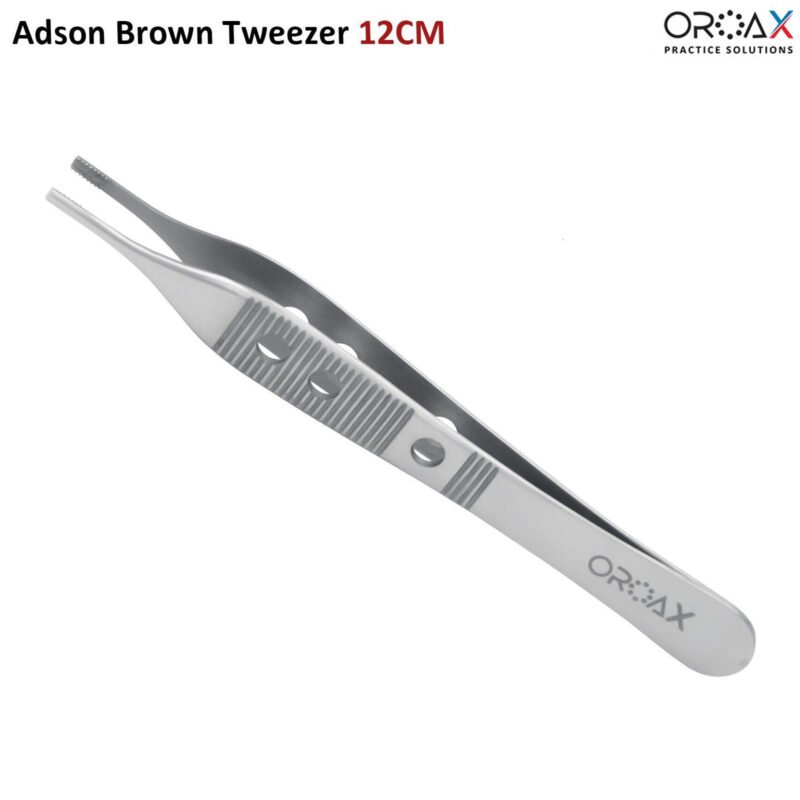
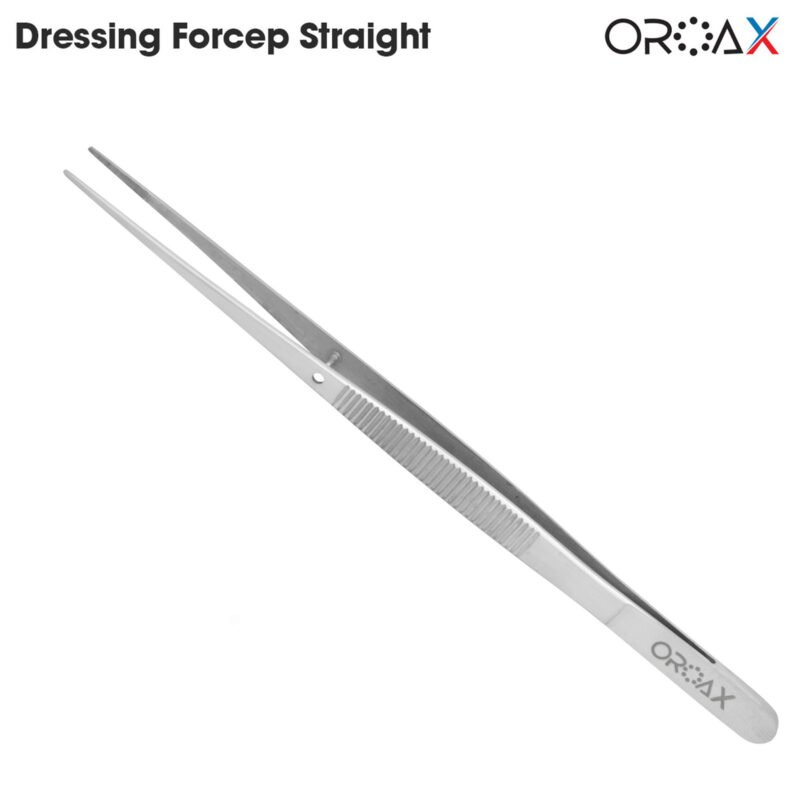
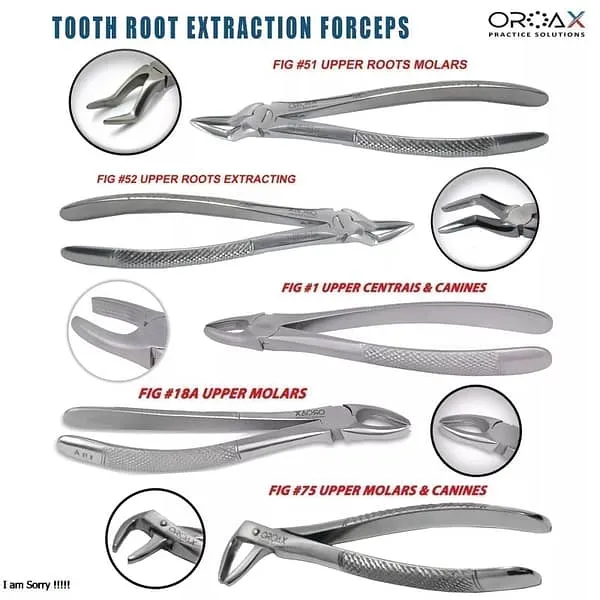
- Forceps: These tweezer-like instruments hold, grasp, or manipulate tissues and objects. They are crucial for tasks requiring precision, such as suturing or removing foreign bodies.
- Clamps: Surgeons use clamps to control bleeding by compressing blood vessels or holding tissues and structures securely during surgery. They commonly use hemostats to stop blood flow.
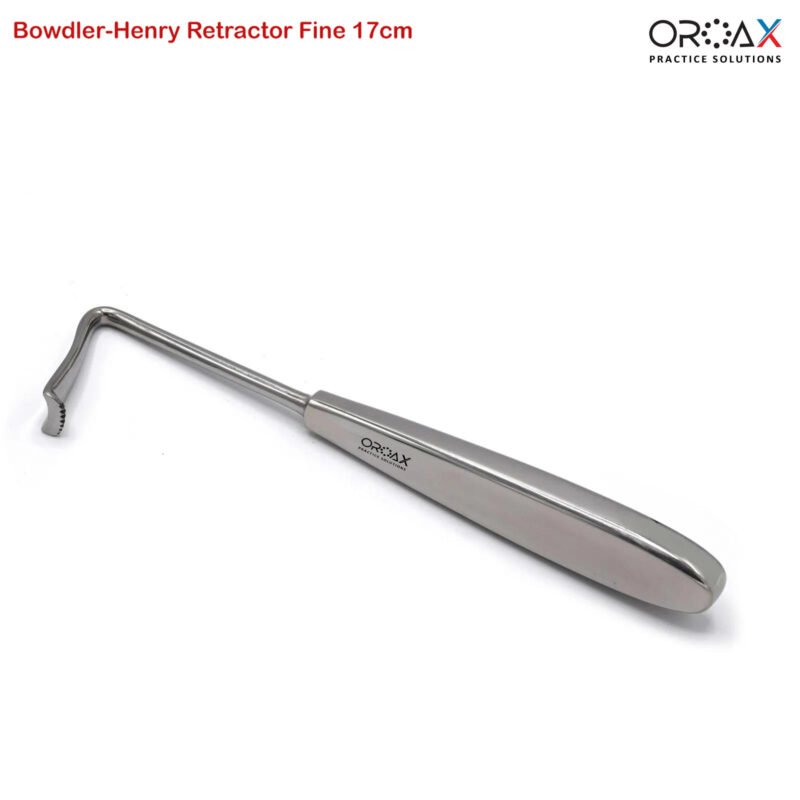
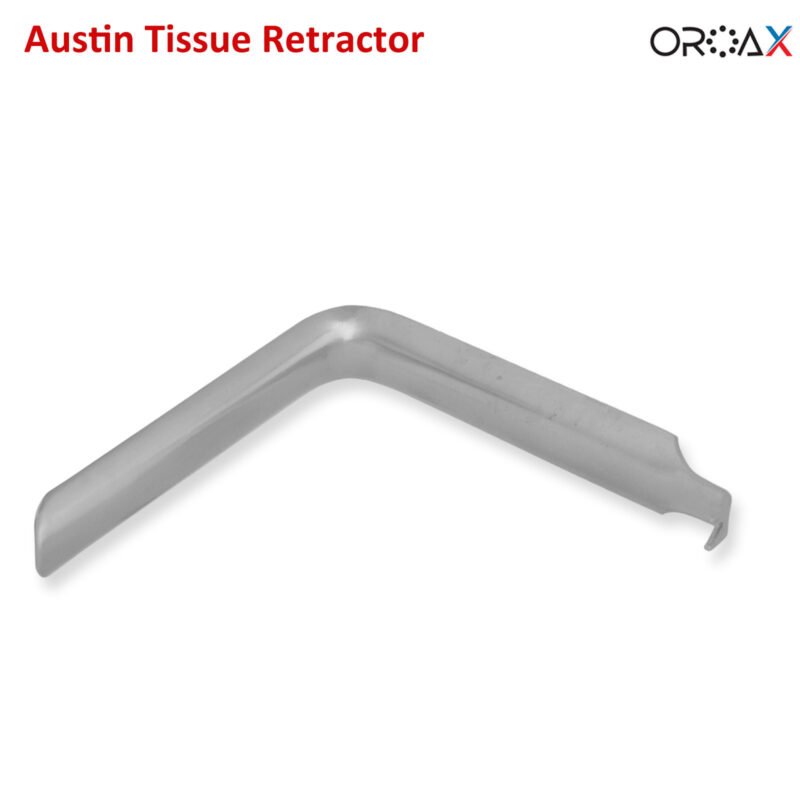
- Retractors: Retractors hold back tissues and organs, providing the surgeon with better visibility and access to the surgical area. They can be hand-held or self-retaining.
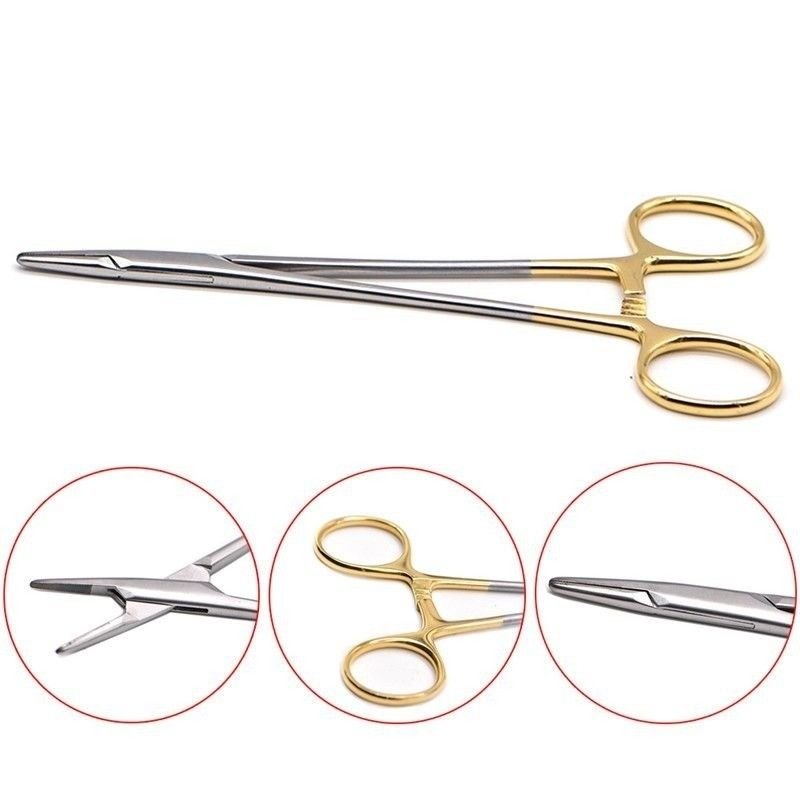
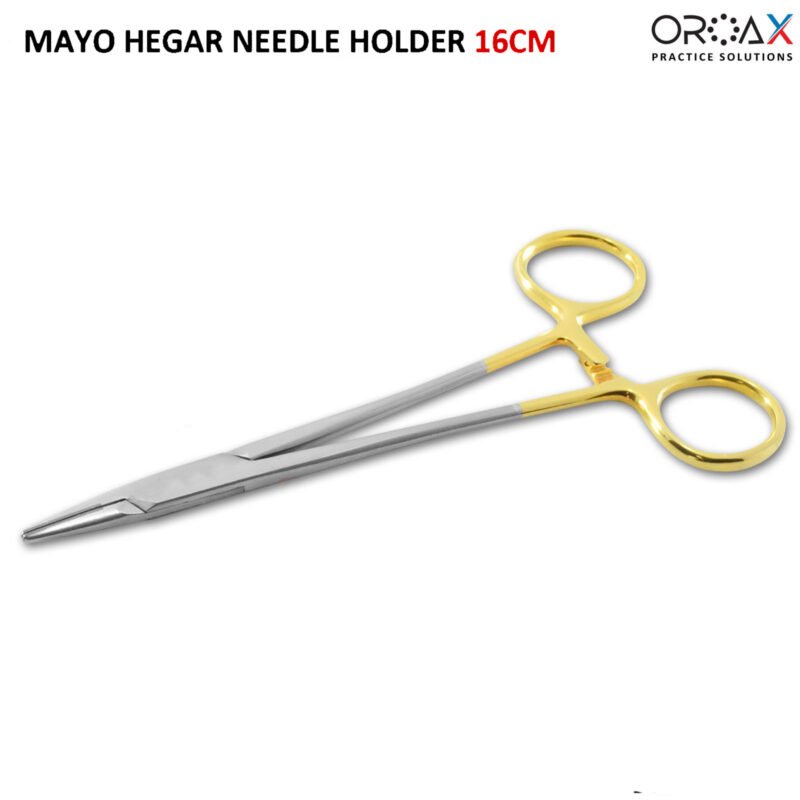
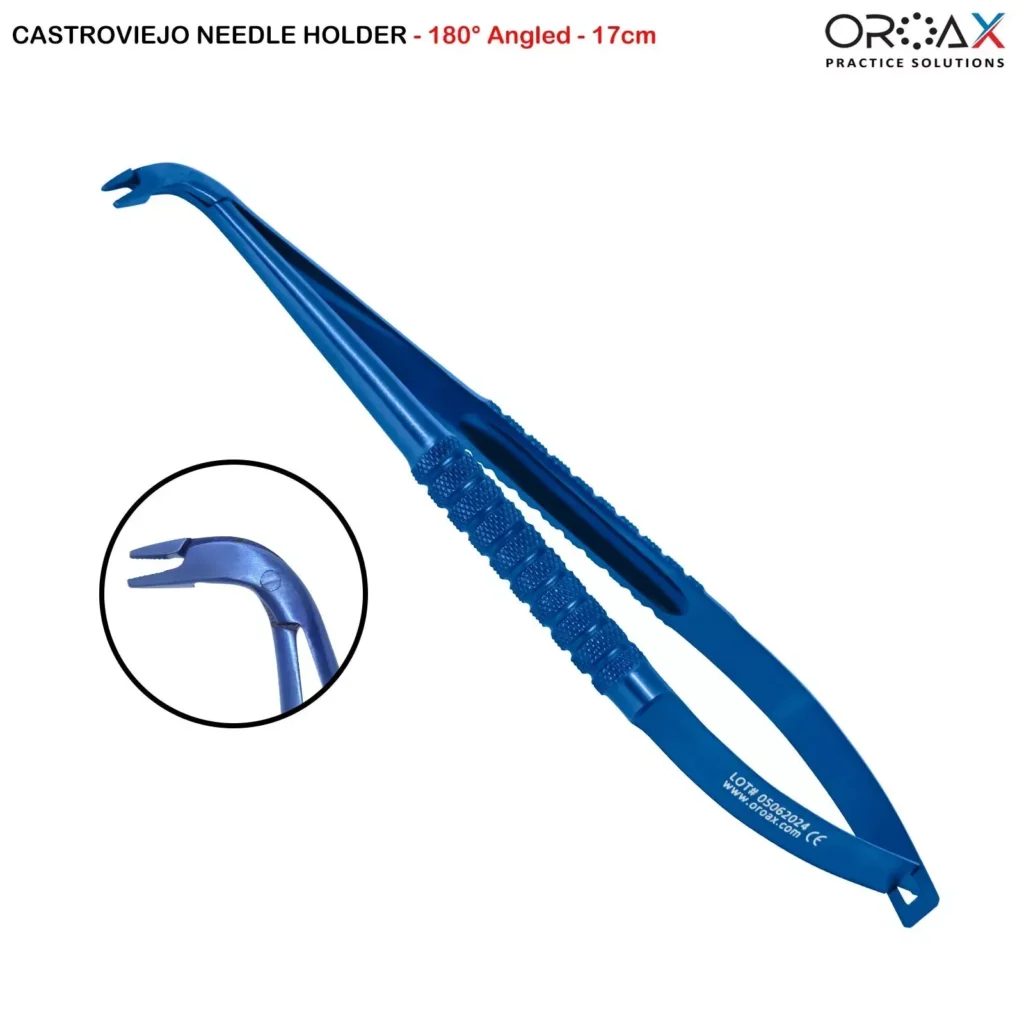
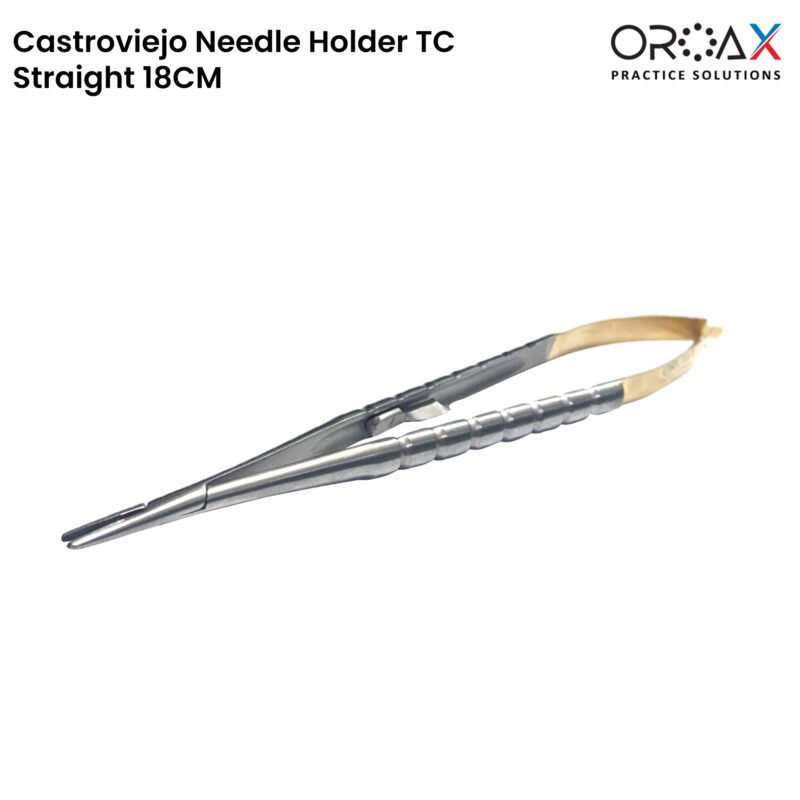
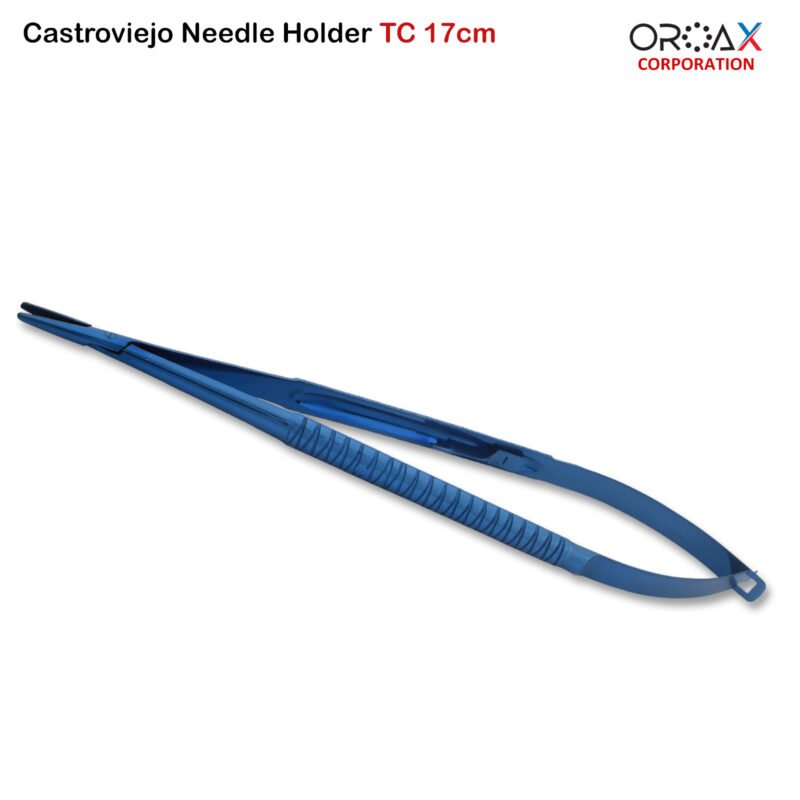
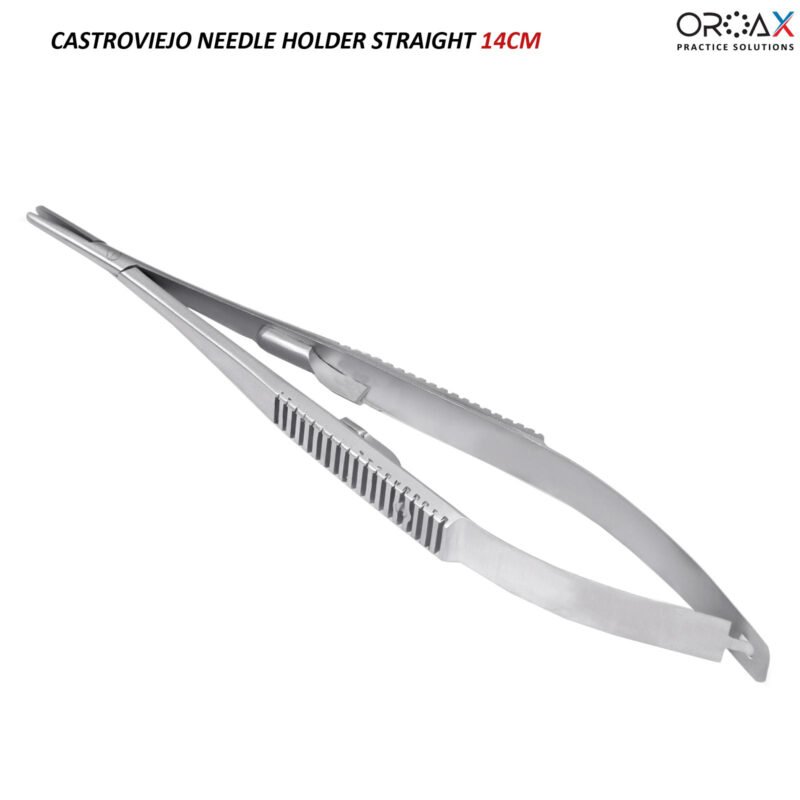
- Needle Holders: These instruments hold needles during suturing. They provide the necessary grip and control for precise stitching.
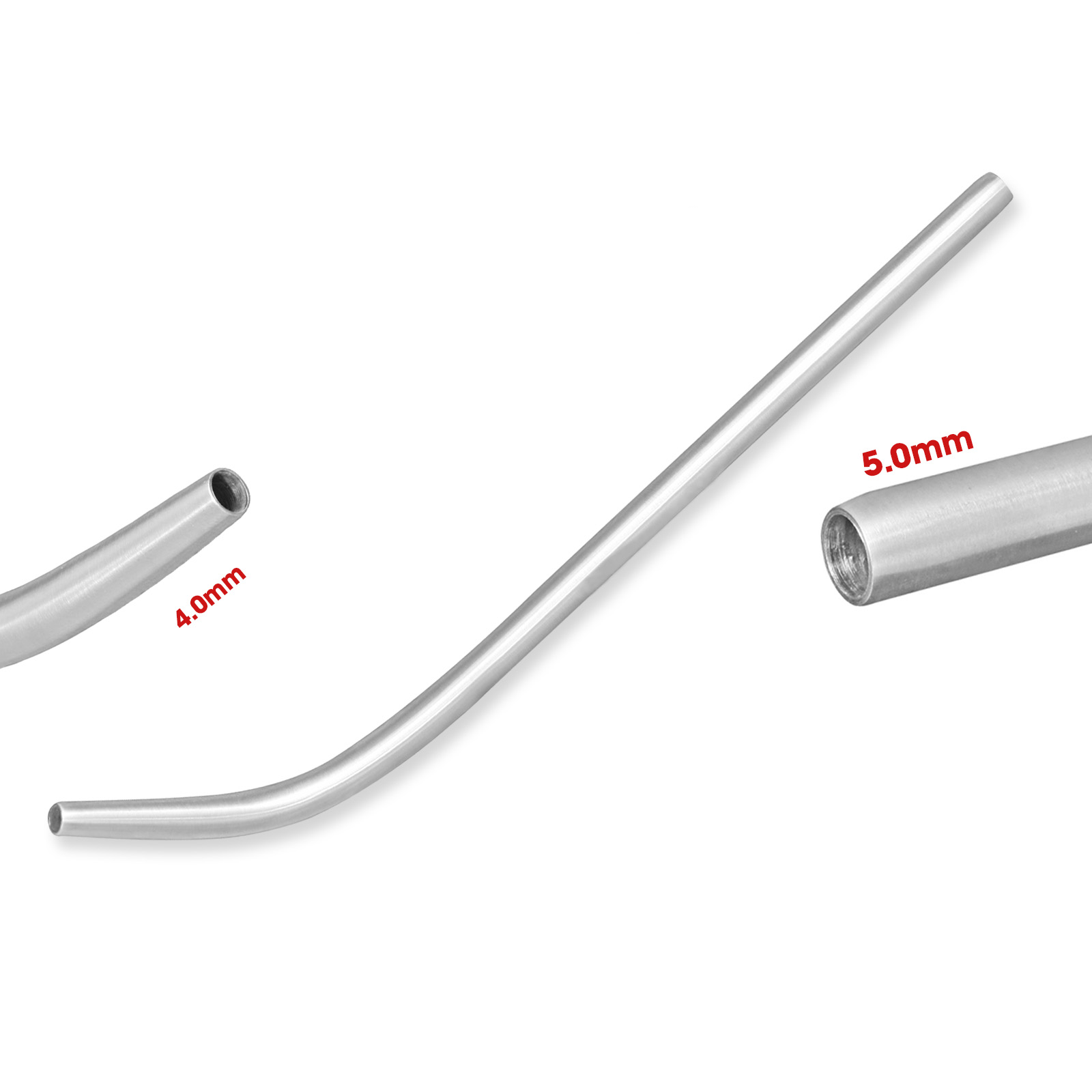
- Suction Devices: Suction devices remove blood, fluids, and debris from the surgical area, keeping it clean and visible for the surgeon.